How Oak Galls Assist Mordants for Natural Dyes
Posted by Rose on 7th May 2026
Natural dyeing ingredients and processes vary in different parts of the world
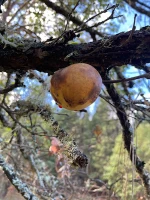
There are many different approaches to natural dyeing, including the use of locally sourced materials as natural dye mordants. Mordants alter the chemistry of fabric, ensuring the colors stick to it. Oak galls assist the mordant by helping the mordant absorb and hold natural dye in the fabric.
I learned about some dye materials from my teacher in Java, Indonesia, but when I returned to the United States, I found that some of the ingredients we used to dye there were difficult to source here. When I later took a Canadian-based natural dyeing course, many of the substances we were taught about were expensive or also hard to access.
Those experiences led me to start researching local plants and alternatives that could produce similar effects. I discovered that there are many plants, flowers, barks, and other natural ingredients close to home that work beautifully in the dyeing process.
Understanding tannins for natural dyeing
Tannins come from trees and usually impart color; some make stronger colors than others. They can be used as a dye alone or in combination with mordants, such as alum and iron. Tannins from oak trees are called gallic tannins and leave a light color on the fabric.
Understanding mordants in natural dyeing
Through this research, I also learned more about mordants for natural dyes. Mordants are used to help color bind to fiber. You can think of a mordant as a kind of molecular glue that allows dye to attach more permanently to fabric.
I read about how oak galls could be used in combination with a natural mordant, especially for cellulose fabrics. This year, I finally had the opportunity to work with them and see how they function.
What are oak galls?
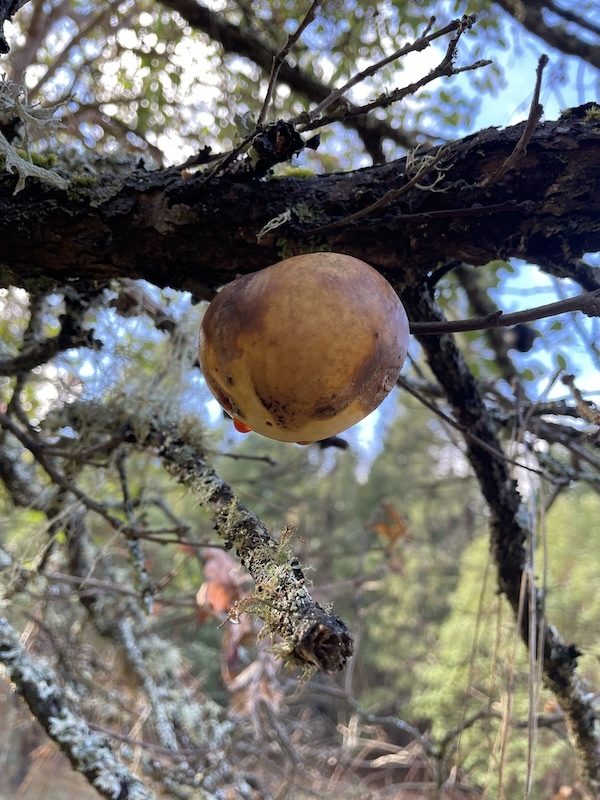
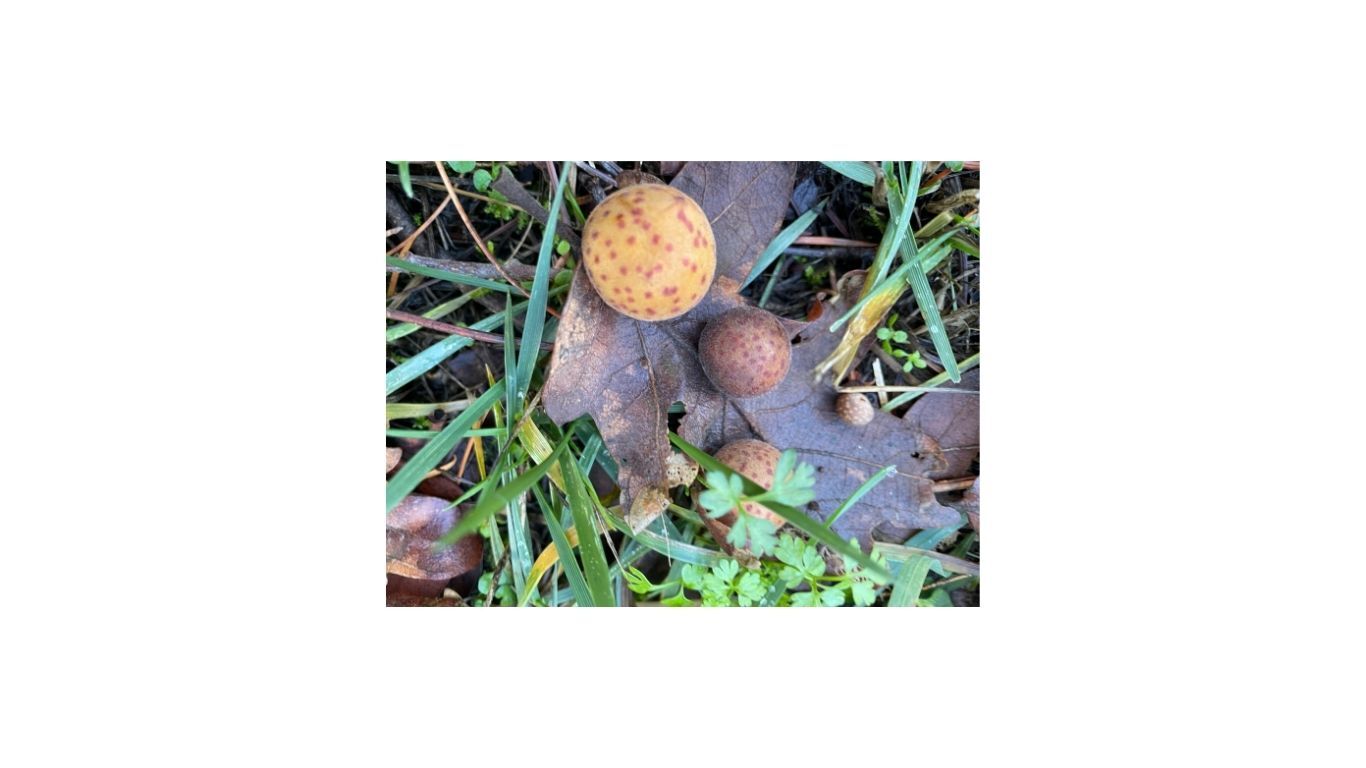
Oak galls are abnormal growths or swellings that form on oak trees. They develop when insects such as wasps or flies lay eggs or feed on the tree. In response, the tree’s tissue is essentially tricked into growing a protective structure around the insect, providing both food and shelter for the developing larvae.
There are many types of galls. The ones found on the oak trees near our house are lightweight and form primarily on the leaves. Once the wasp or other insect has emerged, the gall falls to the ground. Squirrels love to eat them, and luckily, there are enough for both the squirrels and me.
Using oak galls with a mordant for natural dyes
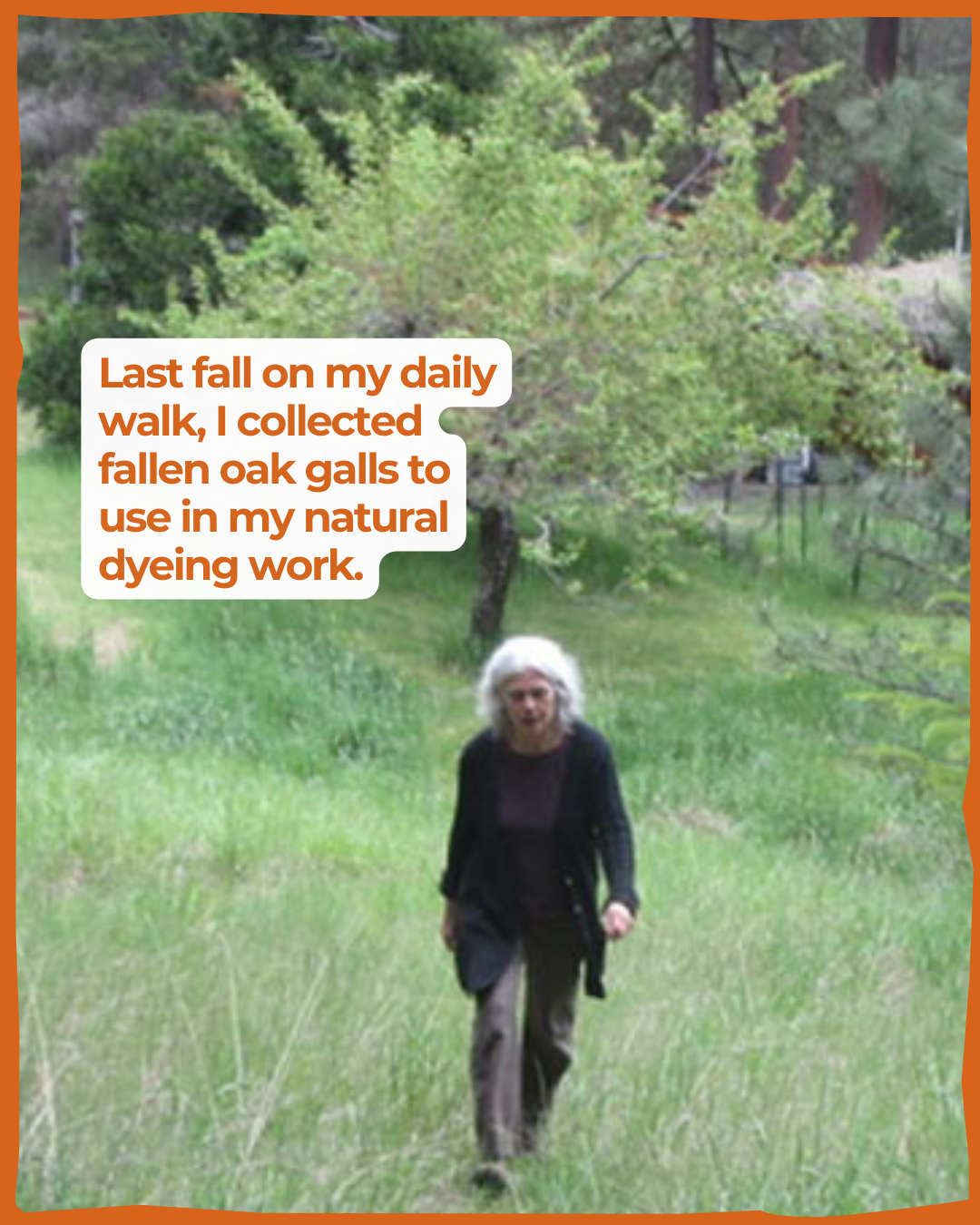
During my daily walks last Autumn, I collected fallen oak galls to use in my dye work. I stored them in a paper bag for a year so they could fully dry and be ready for the next step in the process.
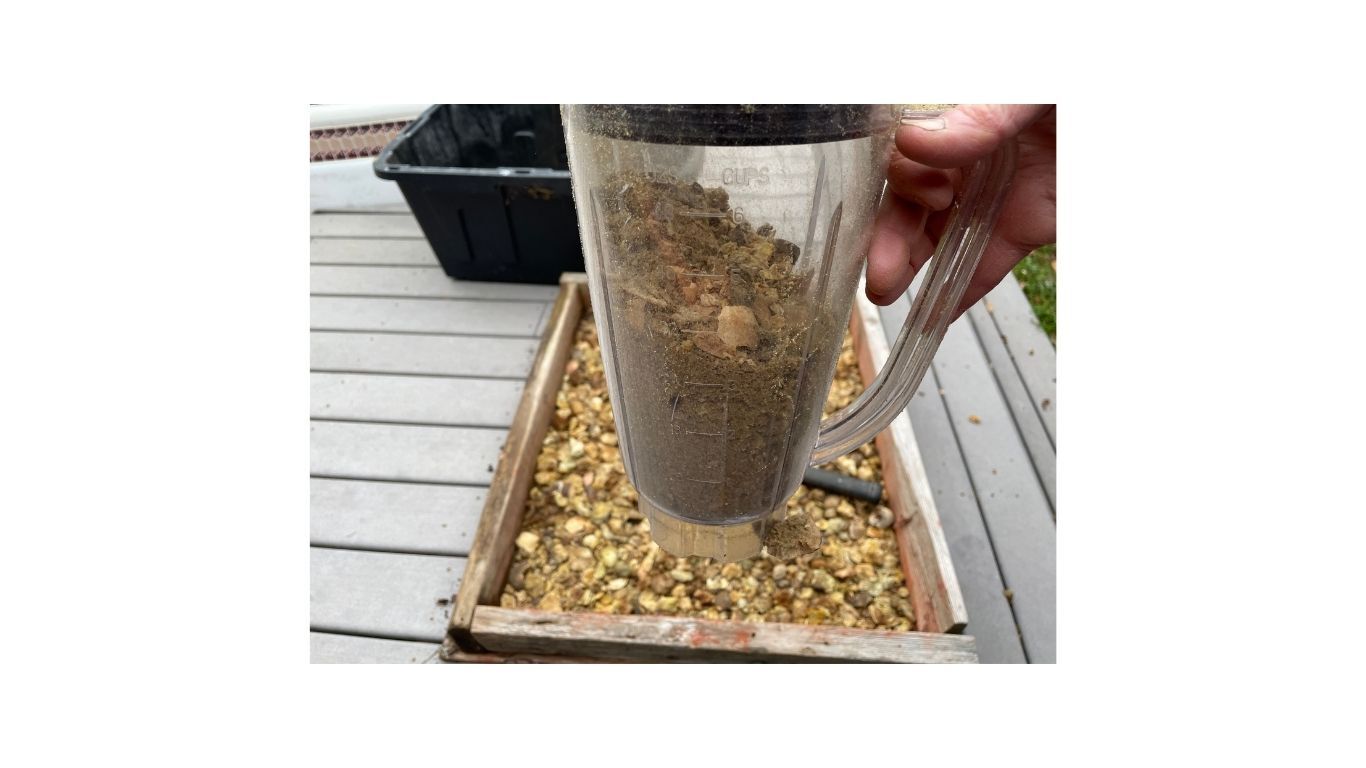
About a year later, I crushed the galls and ground them in a blender. I was surprised by the yield. It feels like I now have a lifetime supply. They are very lightweight, though, and I may need a lot to be effective. That remains to be seen, but fortunately, there is an endless supply in the oak forests where I live.
When do you use tannins and mordants in the natural dyeing process?
Tannins and mordants are added to the fibers before the main dye bath to improve color absorption and fastness. The metal salts that are used for mordanting, such as alum, lime and iron, can also be used after the main dye bath to modify the final color of the piece. Then they are called fixatives.
So, how does the oak gall mordant work, anyway?
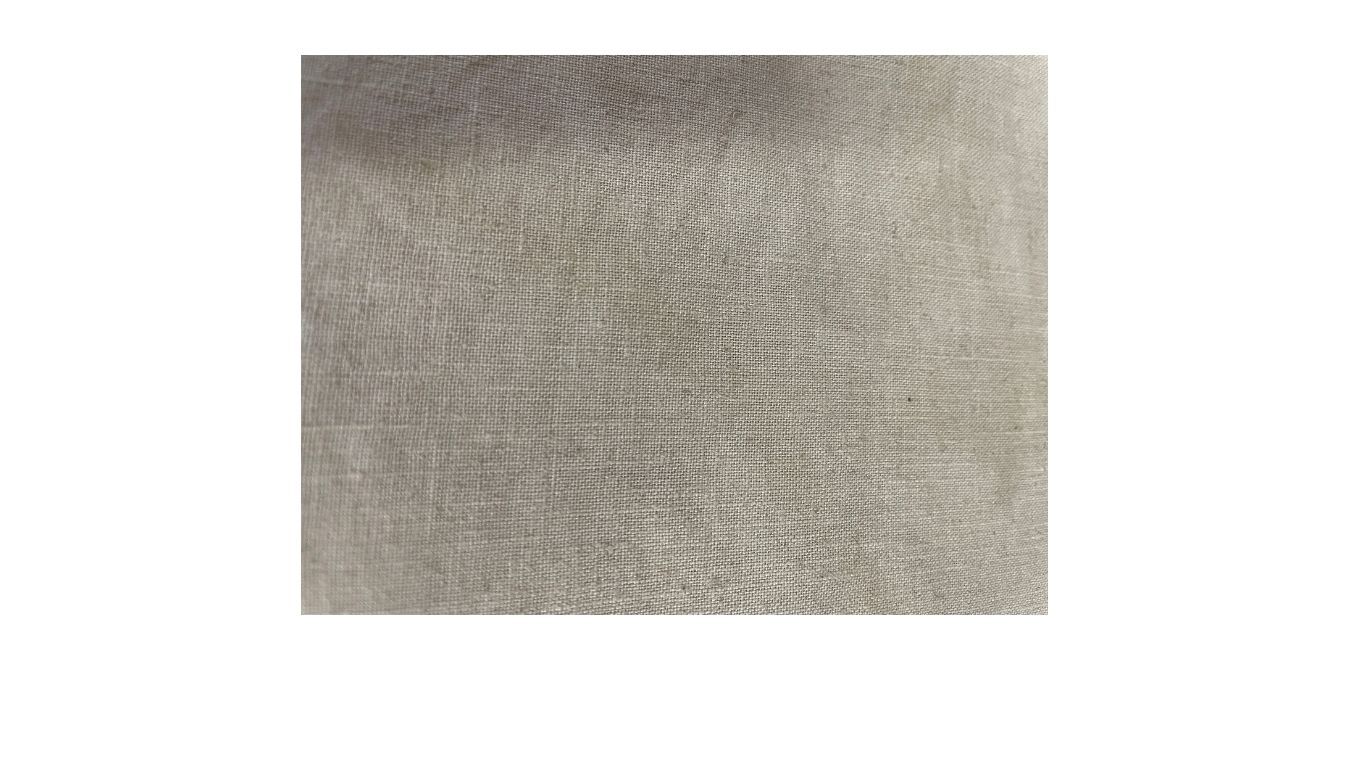
Above, fabric dyed with gallic tannin.
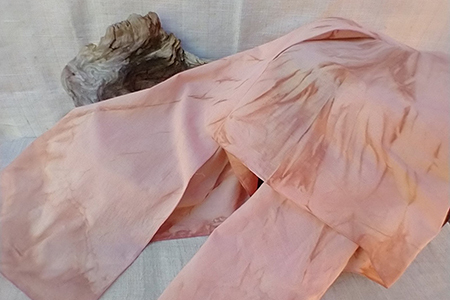
A finished scarf that was dyed with a gallic (oak gall) tannin assist
Oak galls add tannin to fabric, and that addition helps the dye to stay in the fiber and become fixed. And tannin helps prevent fading over time.
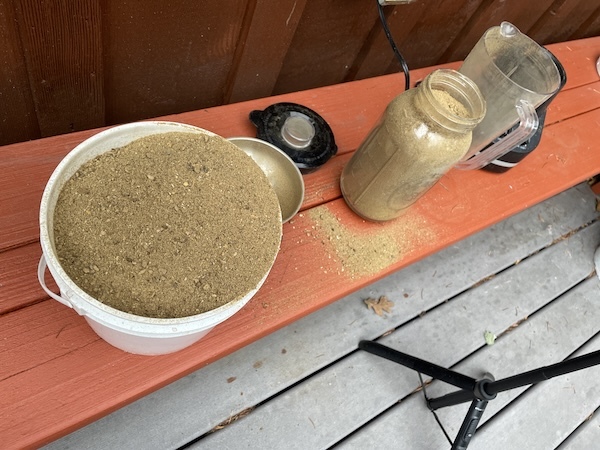
Working with nature’s abundance
I love the sense of abundance that comes from gathering materials directly from nature, such as these oak galls. There is something deeply satisfying about transforming what is freely available into something useful, lasting, and connected to place.
Share: